Hockey Equipment Manager: Career Guide, Duties, and Salary
Equipment managers keep a team on the ice. It is a hands-on, high-trust role that blends craft, logistics, and relationships, and it is one of the most reliable ways to build a long career inside hockey. Here is what the job demands, what it pays, and how to break in.
The backbone of the locker room
Equipment managers are responsible for everything a team wears and uses: fitting and repairing gear, sharpening and profiling skates, managing inventory and orders, handling laundry, and packing and traveling for road games. On game days they are first in and last out. Players rely on them completely, and a sharp, well-run equipment room is a quiet competitive advantage.
Core duties
- Skate sharpening and blade profiling to each player's exact preference — the signature skill of the trade.
- Repairing and maintaining pads, sticks, helmets, gloves, and team apparel.
- Managing inventory, budgets, and relationships with manufacturers and reps.
- Packing, shipping, and traveling for road games, tournaments, and training camp.
- Keeping the room sanitary and the gear-drying and maintenance systems running.
How to break in
Most equipment managers start as student or volunteer assistants at the junior, prep, or college level, then move up to higher levels of play. Pro-shop and skate-shop experience is the other classic feeder: it builds the hand skills — especially sharpening — that teams value before you ever join a bench staff. The field is small and relationship-driven, so reputation, reliability, and referrals matter enormously. Get reps anywhere you can and build a track record.
What it pays
Pay tracks the level of play. Youth and high-school roles are often part-time, stipend, or hourly. College and junior equipment managers typically earn modest full-time salaries in the range of roughly $35,000–$55,000. Professional equipment managers earn more — commonly $50,000–$90,000 and up with seniority at the top levels — though hours are long and travel is heavy. Consider these general ranges that vary by league, market, and experience.
Skills that set you apart
Beyond sharpening, the managers who advance are organized, calm under deadline pressure, discreet with players, and handy with repairs. Comfort with inventory software and budgets helps at higher levels, where the role becomes part craftsman and part operations manager.
Where the career leads
Experienced equipment managers move from youth and high school to junior, college, and professional benches, and senior roles can oversee multiple staff, equipment budgets, and team logistics. Adjacent paths include pro-shop management and retail or manufacturer rep work.
Frequently asked questions
Do I need a degree? No. Hands-on experience and sharpening skill matter more, though a degree can help for college athletic-department roles.
How important is skate sharpening? Very. It is the core technical skill and often the first thing you will be tested on.
How do I get my first job? Volunteer or assist at a local junior, prep, or college program, or work in a pro shop to build skills and references.
Is there travel? Yes, especially at junior, college, and pro levels — road trips and tournaments are part of the job.
Related reading
- How to Become a Zamboni Driver: Skills, Pay, and How to Get Hired
- Breaking Into Hockey Coaching: A Path from Youth to Pro
See open equipment and pro-shop roles on the Hockey Work job board.
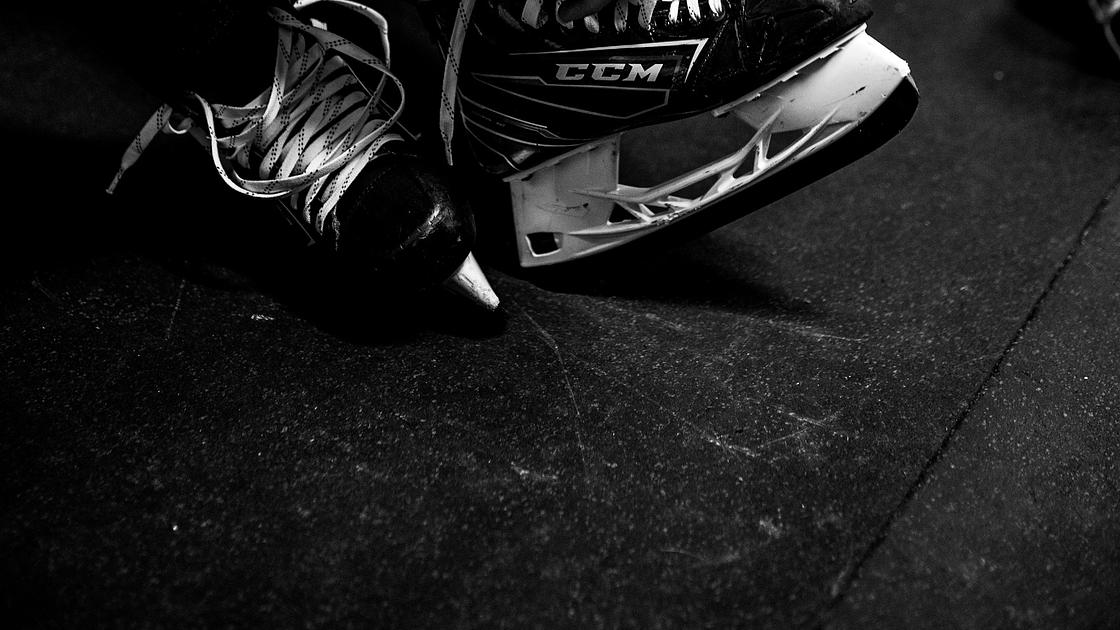
Photo by Mark Landman on Unsplash