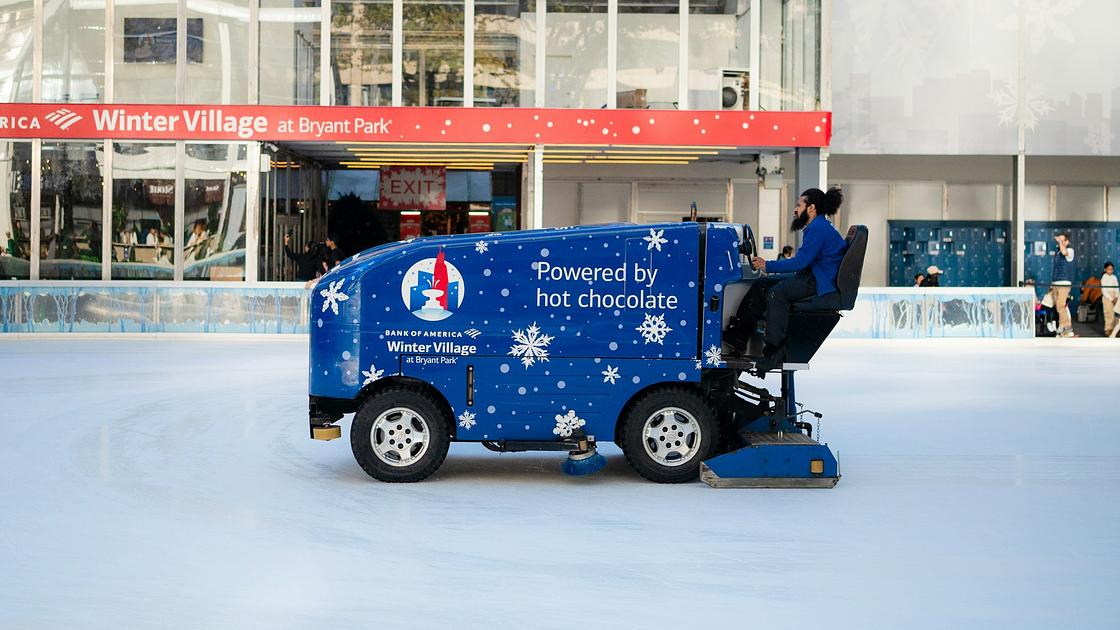
How to Become a Zamboni Driver: Skills, Pay, and How to Get Hired
The ice resurfacer is the most recognizable machine in the building, and driving one is a real career with a clear path, steady demand, and year-round hours at most rinks. This guide covers what the job actually involves, what it pays, the skills and certifications that get you hired, and how to move up.
What a Zamboni driver actually does
"Zamboni" is a brand name; the job title at most arenas is ice technician, ice resurfacer operator, or operations attendant. Resurfacing the ice between sessions is the visible part, but it is only a slice of the role. A good operator cuts the surface to a precise depth, floods it with water at the right temperature, manages the snow dump, sharpens and changes the machine's blade, monitors the refrigeration plant, and handles general building tasks like boards, glass, and locker-room turnover.
Ice quality is judged constantly by the people who use it. Hockey players want a hard, fast sheet; figure skaters want something different; public sessions and events each have their own demands. Learning to read the ice and adjust water volume, temperature, and cut depth is the craft that separates a beginner from a trusted lead operator.
Skills and requirements
- A clean driving record. Some venues require a commercial or forklift-style equipment certification, and you must be comfortable operating heavy machinery on a slick surface.
- Mechanical aptitude. Blade changes, hydraulics, conditioner adjustments, and routine maintenance are part of the weekly rhythm.
- Reliability and odd hours. Early mornings, late nights, weekends, and holidays are normal because that is when rinks run.
- Basic refrigeration awareness. You do not need to be a licensed technician on day one, but understanding the plant makes you far more valuable.
How to get hired
Most operators start part-time or seasonal at a community rink, university arena, or minor-league venue, then learn the machine on the job. Entry rarely requires more than a high-school diploma and a willingness to show up. The fastest way in is to apply broadly to local rinks, say yes to event and overnight shifts, and treat your first season as paid training. Certifications from the Serving the American Rinks (STAR) program or the Ice Skating Institute strengthen a resume but are seldom required to start.
What it pays
Pay varies widely by region, venue, and whether the role is part-time or full-time. Entry-level and part-time ice technician roles commonly start around $15–$20 per hour. Full-time operators who also handle building maintenance and event setup typically earn the equivalent of roughly $40,000–$55,000 per year, and lead or head-operator positions at busy multi-sheet facilities or professional arenas can run higher. Treat these as general ranges; local cost of living and union agreements move them up or down.
Where the career leads
Operators who learn the refrigeration plant and the scheduling side can move into facility operations and arena management, overseeing staff, budgets, and bookings across multiple sheets. The skills also transfer between hockey arenas, curling clubs, and multi-use event venues, giving you options well beyond a single building.
Frequently asked questions
Do I need a special license to drive a Zamboni? Not usually a "Zamboni license," but a valid driver's license is expected and some venues require equipment certification or in-house training and sign-off.
Is it a full-time job? It can be. Many rinks combine ice resurfacing with broader operations and maintenance work to build full-time, year-round positions.
How long does it take to learn? You can learn the basics of a clean resurface in a few weeks, but reading the ice and maintaining consistent quality takes a full season or more.
Is the work seasonal? Some outdoor and seasonal rinks are, but indoor arenas operate year-round, so steady work is available if you target the right venues.
Related reading
- Careers at an Ice Arena: Facilities and Operations Jobs
- Hockey Equipment Manager: Career Guide, Duties, and Salary
Ready to start? Browse current ice technician and Zamboni roles on the Hockey Work job board — new openings are posted regularly.