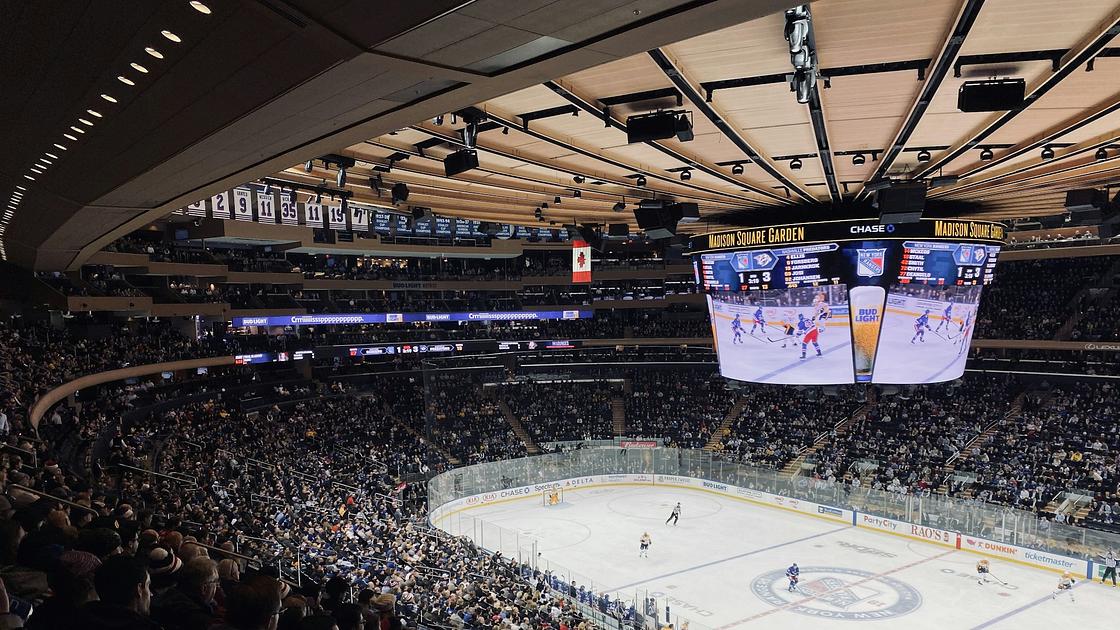
How to Get a Job in the NHL: Front Office and Hockey Operations
An NHL career goes far beyond the players on the ice. Every club runs a large organization with dozens of roles in hockey operations and business operations, and most of the people who build careers in the league never lace up skates professionally. This guide maps the realistic paths in, the skills that matter, and how people actually get hired.
The two sides of an NHL club
Hockey operations covers scouting, player development, analytics, video, sports science, and team services — everything tied directly to building and supporting the roster. Business operations covers ticketing, corporate partnerships, marketing, communications, community relations, and finance. Both are legitimate paths into the league, and the business side usually has far more entry-level openings.
Common entry roles
- Hockey operations or player personnel intern.
- Video coordinator and amateur or pro scouting assistant.
- Hockey analyst and data roles supporting the front office.
- Inside sales, group sales, and partnership coordinator roles on the business side.
- Communications, social media, and content assistant positions.
How people actually break in
The two most reliable routes are internships and the minor leagues. AHL and ECHL clubs hire younger staff and hand them real responsibility quickly, and strong performers get noticed and promoted into NHL organizations. A concrete, in-demand skill — analytics, video editing, sales, or writing — is a genuine differentiator. So is a willingness to relocate and to start in an entry-level role. Hockey hiring runs on relationships, so every internship and minor-league job is also a long-form networking opportunity.
What it pays
Entry-level roles are modest: internships are often hourly or stipend-based, and first full-time jobs in sales or coordination commonly start around $40,000–$55,000. Mid-level managers and analysts typically earn $60,000–$100,000, and senior front-office leaders earn well into six figures. These are broad ranges that vary by market, department, and club; the early years are about access and growth more than salary.
What to build now
Develop one concrete skill and get reps with any team at any level. Publish work if you can — a scouting portfolio, an analytics project, or sample content all make you easier to hire. Then network relentlessly and apply widely, including to minor-league clubs that feed the NHL.
Frequently asked questions
Do I need to have played hockey? No. Playing experience helps in some hockey-ops roles but is not required, and most business-side jobs do not need it at all.
What degree should I get? There is no single answer. Business, communications, statistics, and sport management are all common, but skills and experience outweigh the specific major.
Are internships paid? Many are hourly or stipend-based; some are unpaid. Treat them as the entry point and a chance to prove yourself.
Is the minor leagues really a path to the NHL? Yes — many NHL staff started in the AHL or ECHL and were promoted from within the system.
Related reading
- Hockey Internships and Graduate Assistant Roles: How to Land One
- Hockey Analytics Jobs: Breaking Into Data and Technology
- Hockey Sales and Partnerships Careers
Explore NHL and hockey-operations jobs on Hockey Work to see what is open right now.
Photo by Seth Hoffman on Unsplash